Precision Agriculture Sensors: What They Cost, What They Measure, and When to Buy
Precision agriculture sensor guide — soil moisture, weather stations, drone scouting, and yield monitors. ROI analysis and buying recommendations by farm size.
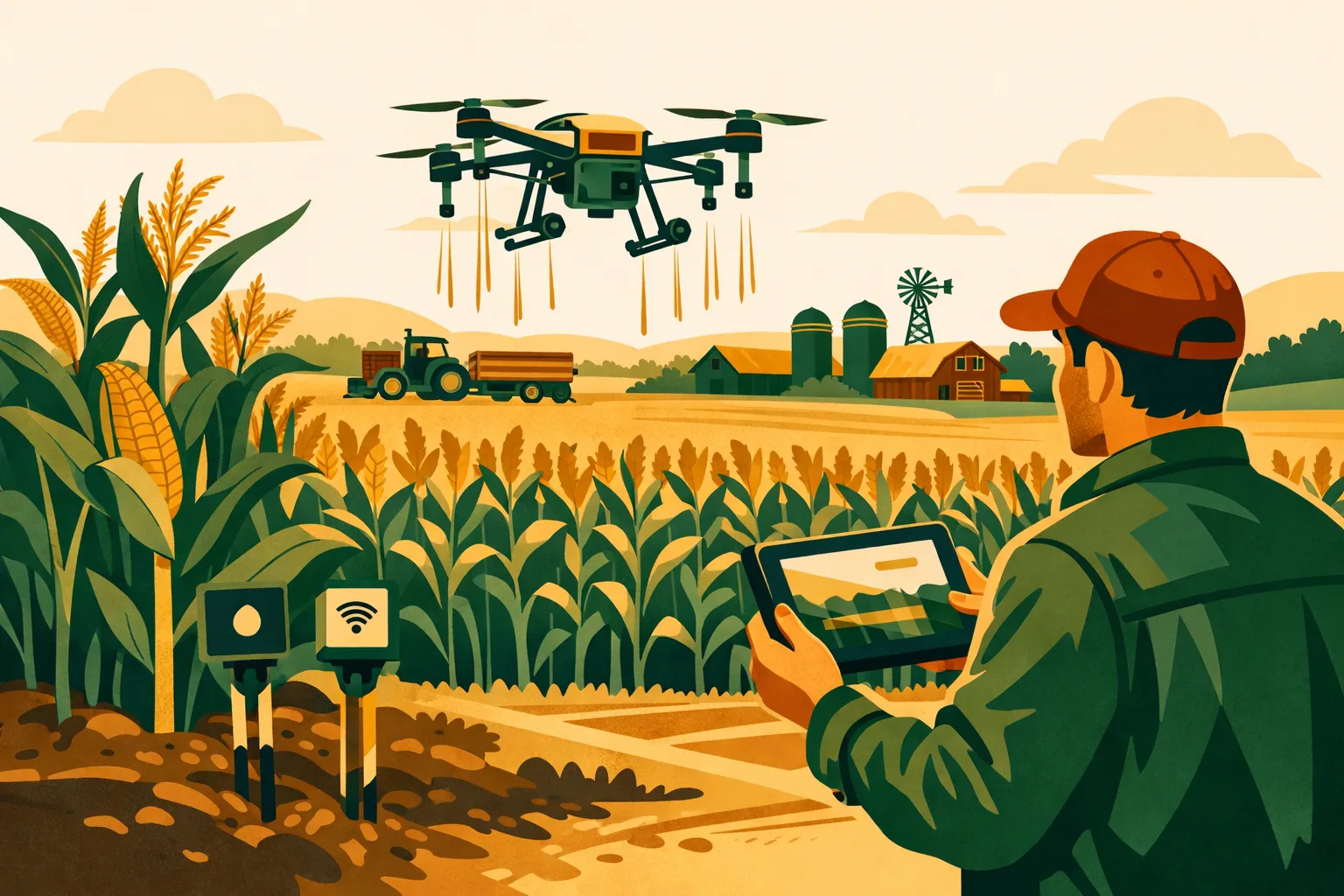
Precision agriculture has transformed modern farming, turning data into actionable insights that boost productivity and sustainability. As a commercial farm operator, understanding the various sensors available, their costs, and strategic purchase timing can significantly impact your farm’s bottom line. This comprehensive guide dives into the world of precision agriculture sensors, covering soil sensors, weather stations, drone tissue sampling, and yield monitors.
The Growing Influence of Precision Agriculture Sensors
With technological advancements and the increasing need for sustainable farming practices, precision agriculture sensors have become indispensable tools. These sensors provide critical data that help in making informed decisions about resource allocation, crop health, and overall farm management. Whether you’re managing a 50-acre plot or a sprawling 5000-acre operation, the right sensors can enhance efficiency and increase yields.
Understanding the Types of Precision Agriculture Sensors
Soil Sensors
Soil sensors are crucial for monitoring soil conditions, including moisture levels, nutrient content, and temperature. They help farmers optimize irrigation schedules, understand soil health, and apply fertilizers more effectively.
Key Measurements
- Soil Moisture
- Nutrient Levels (NPK)
- Soil Temperature
- pH Levels
Cost and ROI Considerations
- Initial Cost: $1,500 - $10,000 per unit, depending on features and coverage area.
- ROI Threshold: Farms over 100 acres typically see returns within 2-3 growing seasons.
Weather Stations
Weather stations provide real-time data on weather conditions, offering insights into temperature, humidity, wind speed, and precipitation. This data is crucial for planning planting schedules and managing risks associated with weather changes.
Key Measurements
- Temperature
- Humidity
- Wind Speed and Direction
- Precipitation
Cost and ROI Considerations
- Initial Cost: $500 - $5,000 per unit.
- ROI Threshold: Suitable for farms of 50 acres or more, with potential ROI within 1-2 seasons.
Drone Tissue Sampling
Drones equipped with sensors can assess plant health by measuring factors like chlorophyll content and plant height. This aerial perspective helps in identifying stress zones and optimizing crop management practices.
Key Measurements
- NDVI (Normalized Difference Vegetation Index)
- Plant Height
- Chlorophyll Content
Cost and ROI Considerations
- Initial Cost: $3,000 - $15,000 for drones with advanced sensors.
- ROI Threshold: Ideal for farms exceeding 200 acres, with ROI visible in the first year through improved crop health and yield.
Yield Monitors
Yield monitors, typically integrated with combine harvesters, provide data on crop yield and moisture levels during harvest. This information helps in assessing field performance and planning future planting strategies.
Key Measurements
- Crop Yield
- Moisture Content
Cost and ROI Considerations
- Initial Cost: $4,000 - $10,000 per unit.
- ROI Threshold: Best suited for operations over 100 acres, with ROI often realized in a single harvest cycle.
Comparison Table: Precision Agriculture Sensors
| Sensor Type | Key Measurements | Initial Cost Range | Suitable Farm Size | ROI Threshold |
|---|---|---|---|---|
| Soil Sensors | Moisture, Nutrients, Temperature, pH | $1,500 - $10,000 | >100 acres | 2-3 growing seasons |
| Weather Stations | Temperature, Humidity, Wind, Precipitation | $500 - $5,000 | >50 acres | 1-2 seasons |
| Drone Sampling | NDVI, Plant Height, Chlorophyll Content | $3,000 - $15,000 | >200 acres | Within first year |
| Yield Monitors | Crop Yield, Moisture Content | $4,000 - $10,000 | >100 acres | Single harvest cycle |
When to Invest in Precision Agriculture Sensors
Factors to Consider
- Farm Size and Scale: Larger farms benefit more from sensor data due to the scale of operations and the potential for greater cost savings.
- Crop Type: High-value crops justify the investment in sensors due to the potential for yield improvement.
- Current Technology: Assess whether your current equipment can integrate with new sensors or if additional investments are required.
- Budget and Financing Options: Consider leasing options or government subsidies that may be available for precision agriculture technologies.
Strategic Timing
- Pre-Planting Season: Ideal for investing in soil sensors and weather stations to optimize planting schedules and irrigation plans.
- Mid-Growing Season: A good time for drone tissue sampling to assess crop health and make timely interventions.
- Pre-Harvest: Yield monitors can be incorporated just before harvest to maximize data collection and yield analysis.
Practical Checklist for Implementing Precision Agriculture Sensors
- Assess Farm Needs: Evaluate your current operations and identify areas where data could enhance decision-making.
- Research Options: Explore different sensor brands and models that suit your specific requirements.
- Calculate ROI: Estimate potential savings and yield improvements to justify the investment.
- Plan Integration: Ensure compatibility with existing equipment and consider necessary upgrades.
- Train Staff: Conduct training sessions for staff to effectively use and interpret sensor data.
- Monitor and Adjust: Regularly review data and adjust practices as needed to optimize results.
How FarmsFlo Helps
Implementing precision agriculture sensors can seem daunting, but FarmsFlo simplifies the process. Our platform integrates seamlessly with various sensor types, providing a unified dashboard that consolidates all your farm data. By signing up for a free trial at farmsflo.com, you can explore how FarmsFlo enhances data-driven decision-making, supports efficient farm management, and ultimately boosts your bottom line. Make your farm operations smarter today with FarmsFlo.